Beyond the Bedroom: Crafting Your Evening Countdown for Deeper Sleep

Imagine a typical weeknight. The day’s demands — emails, deadlines, family logistics — finally recede, but your mind continues to race. You collapse into bed, exhausted, yet sleep feels elusive, a distant shore you can’t quite reach. This familiar scenario isn’t just frustrating; it’s a direct impediment to your well-being, eroding focus, mood, and overall health. What if preparing for truly restorative sleep didn't begin when your head hits the pillow, but hours before? This guide explores actionable evening rituals, a "countdown to calm," designed to gently steer your body and mind towards deeper, more rejuvenating rest. We’ll look at practical, science-backed adjustments you can weave into your daily rhythm, transforming those anxious pre-sleep hours into a deliberate, peaceful transition.
How can an evening routine genuinely improve sleep quality?
The concept of a pre-sleep routine might sound overly structured or even a bit tedious, but its impact on sleep architecture is profound. Our bodies thrive on predictability, and the deliberate creation of a consistent evening sequence acts as a powerful signal, preparing your physiological systems for rest. Think of it as hitting the "standby" button on your internal operating system. When you consistently engage in calming activities, you reinforce your natural circadian rhythms—your internal clock—which dictates when you feel awake and when you feel sleepy. This isn't about rigid adherence to a minute-by-minute schedule; it’s about establishing a sequence of cues that your brain associates with winding down. This predictability reduces the internal chatter and physical tension that often prevent sleep onset, making the transition smoother and the sleep itself more consolidated. Without these cues, your body might still be in "alert" mode, making it harder to fall asleep and stay asleep. Regularity, even in small doses, can significantly improve sleep latency (how long it takes to fall asleep) and sleep efficiency (the percentage of time in bed actually spent sleeping).
Dim the Lights, Tune Out the Blue: Setting the Stage for Melatonin Production
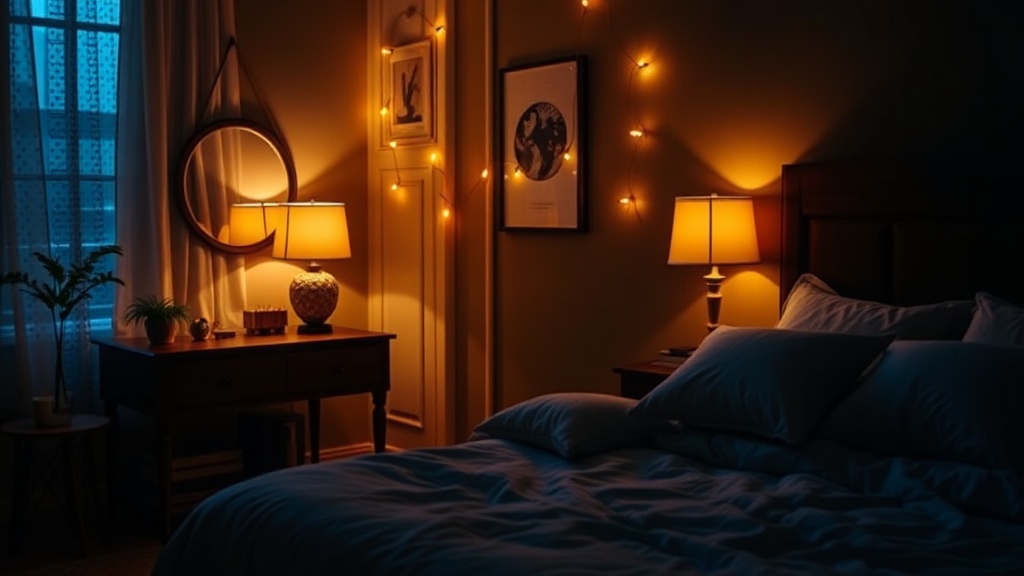
Our modern lives are bathed in artificial light, even after the sun sets. From overhead fluorescents to the glow of device screens, this constant illumination tells our brains it’s still daytime, directly suppressing melatonin—the hormone responsible for regulating our sleep-wake cycle. To counteract this, begin dimming your lights an hour or two before you plan to sleep. Opt for warmer, lower-wattage bulbs in your evening spaces. Consider using lamps instead of harsh overhead lighting. More importantly, minimize your exposure to blue light. Blue light, emitted predominantly by smartphones, tablets, computers, and even some LED televisions, is particularly disruptive to melatonin production. While it's a component of natural daylight and helpful for alertness during the day, it's detrimental at night. Installing blue-light-filtering apps or using glasses that block blue light can help, but the most effective strategy is to simply switch off — or at least put away — these devices as your bedtime approaches. Creating a "light curfew" helps signal to your body that night has truly fallen, allowing your natural sleep hormones to rise unimpeded. For more on how light impacts sleep, consider research from institutions like