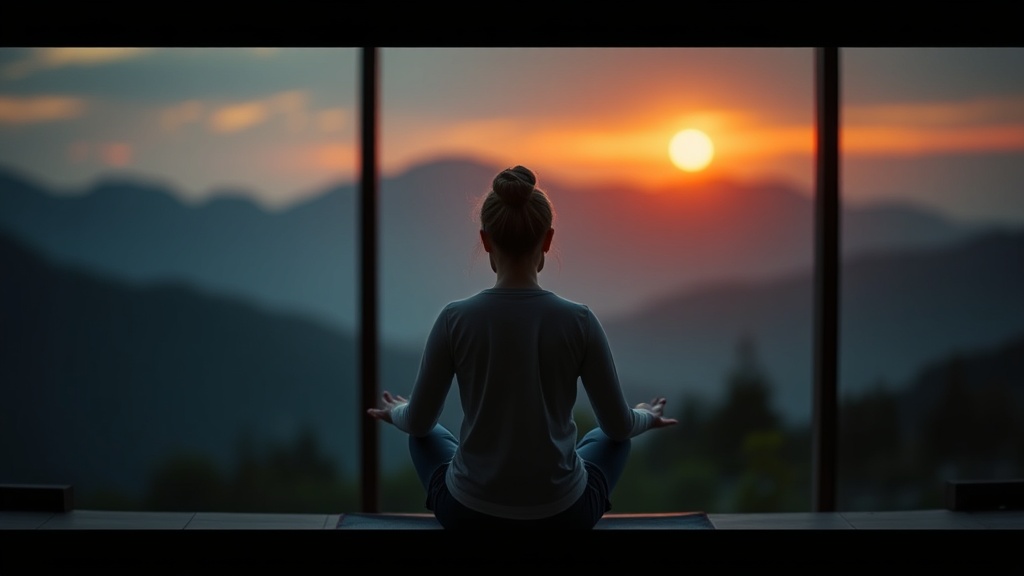
How to Build a 10-Minute Morning Meditation Ritual That Sticks

A consistent morning meditation practice doesn't require waking up at dawn or sitting for an hour in silence. This guide breaks down exactly how to build a 10-minute morning ritual that actually sticks — from choosing the right technique to designing your environment and overcoming the inevitable days when motivation wanes. Whether you've tried meditation before and fell off the wagon, or you're starting fresh and want to skip the common pitfalls, you'll find a practical framework here that works with real schedules and real resistance.
Why Do Morning Meditation Routines Fail?
Most morning meditation attempts fail because people start too ambitious. Five minutes becomes thirty in the mind — and zero in practice. The gap between intention and action kills momentum before it starts.
Another culprit? Vague goals. "Meditate more" isn't a plan. It's a wish. Without a specific technique, a set time, and a designated spot, the brain defaults to the path of least resistance — usually scrolling or hitting snooze.
Here are the most common failure patterns:
- All-or-nothing thinking: Missing one day becomes an excuse to quit entirely
- Technique hopping: Switching between apps and methods weekly prevents skill development
- Environmental friction: Having to set up cushions, find headphones, or clear clutter each morning adds decision fatigue
- Unrealistic timing: Attempting meditation during the chaotic pre-work rush instead of a protected pocket of morning calm
Here's the thing: consistency beats intensity every time. Ten focused minutes daily outperforms sporadic hour-long sessions. The ritual itself — the cue, routine, reward loop — matters more than any single meditation experience.
What Should a Beginner's 10-Minute Meditation Actually Look Like?
A beginner's 10-minute morning meditation should include three components: a 2-minute settling period, 6 minutes of focused practice (breath, body scan, or guided audio), and a 2-minute closing reflection or intention-setting.
The settling period matters more than most realize. You're transitioning from sleep to wakefulness — from unconsciousness to intentional awareness. Rushing this transition creates a jarring experience that feels like work rather than restoration.
Here's a simple structure that works:
- Minute 1-2: Find your posture. Sit on a cushion, chair edge, or even the side of your bed. Eyes closed or softly focused. Three deep breaths to signal the shift.
- Minute 3-8: Core practice. Breath awareness works best for most beginners — simply noting "in" and "out" with each breath cycle. When the mind wanders (and it will), return without judgment.
- Minute 9-10: Transition out. Set an intention for the day. Ask: What's one quality I want to bring into today? Patience? Focus? Kindness?
Worth noting: guided meditations through apps like Headspace or Calm remove the guesswork for the first few weeks. The Ten Percent Happier app offers excellent beginner courses specifically designed for skeptical, busy minds.
The catch? Don't let app dependency become a crutch. After 2-3 weeks, try 5 minutes of unguided practice. Build the internal skills, not just the habit of pressing play.
How Do You Design a Space That Supports Consistency?
The best meditation space is one you'll actually use — which means proximity matters more than aesthetics. A simple cushion in your bedroom beats a beautiful dedicated room two floors away.
That said, environmental cues significantly impact habit formation. When your brain sees the same setup each morning, it automatically shifts into meditation mode. This is classical conditioning at work.
Consider this comparison of setup approaches:
| Setup Style | Time to Start | Friction Level | Best For |
|---|---|---|---|
| Permanent corner (cushion, blanket always ready) | Under 30 seconds | Low | Building long-term habits |
| Bed meditation (sit up, use wall for support) | Immediate | Minimal | Absolute beginners, very short on time |
| Portable setup (folding mat, stored in closet) | 2-3 minutes | Moderate | Small spaces, shared living situations |
| Outdoor spot (balcony, garden, nearby park) | 5-10 minutes | Variable | Experienced practitioners, pleasant weather |
For most people starting out, the permanent corner approach wins. A Crystal Cove Meditation Cushion from Brentwood Home (around $60) or even a simple folded yoga mat creates a visual anchor. Your brain starts associating that specific spot with the practice.
Lighting matters too — harsh overhead lights signal "alertness" and "tasks." A small Hatch Restore sunrise alarm clock ($130) provides gentle wake-up light that transitions naturally into meditation time. Alternatively, a $15 salt lamp from Amazon creates warm, non-stimulating illumination.
What Techniques Work Best for Short Morning Sessions?
Not all meditation techniques suit the morning window. Some methods — like deep metta (loving-kindness) practice or intense vipassana — require longer periods to fully engage. Others fit the 10-minute container perfectly.
Breath awareness remains the gold standard for short sessions. It's simple, portable, and immediately centers attention. The technique: focus on the breath's natural rhythm — nostrils, chest, or belly — and return attention whenever it drifts.
Body scan meditation works well for those who struggle with mental chatter. Moving attention systematically from feet to head grounds you in physical sensation — harder to think about emails when you're noticing your left big toe.
Open monitoring (noting whatever arises without fixation) suits more experienced practitioners. For beginners, it often becomes daydreaming. Save this for month two or three.
Here's the thing about technique selection: pick one and stay with it for at least 30 days. The variety — breath one day, body scan the next, visualization the third — feels stimulating but prevents depth. Mastery requires repetition.
How Do You Actually Stick With It When Life Gets Busy?
Life will get busy. That's not a possibility — it's a guarantee. The question isn't whether disruptions will happen, but whether your ritual is designed to survive them.
Start with the "minimum viable dose" principle. On overwhelming days, five minutes counts. Two minutes counts. One conscious breath counts. The goal is maintaining the streak of showing up, not maintaining perfect duration.
Accountability structures help enormously:
- App streaks: Calm and Headspace both track consecutive days — simple but surprisingly motivating
- Accountability partners: Text a friend after completing your session; no response needed, just the external commitment
- Habit stacking: Anchor meditation to an existing morning behavior — immediately after brushing teeth, before coffee, after letting the dog out
- Visible tracking: A physical calendar with X's for completed days leverages the "don't break the chain" psychology
The morning time block itself requires protection. If meditation sits at "whenever I get to it," it won't happen. Block 10 minutes on your calendar. Treat it like a meeting with your boss — non-negotiable.
Worth noting: missing days doesn't mean failure. Research on habit formation (from studies at University College London) shows that occasional missed days don't derail long-term habit development. The pattern over months matters, not perfection over days.
Handling Resistance and Mental Blocks
Some mornings, sitting still feels impossible. The mind races. The body fidgets. Every distraction becomes urgent. This isn't meditation failure — it's meditation practice.
Resistance often masks exactly what needs attention. A chaotic mind indicates a chaotic life. Physical restlessness suggests unprocessed stress. These aren't reasons to skip; they're reasons to sit anyway.
When resistance strikes, try these adjustments:
- Shorten the session — 5 minutes of resistance practice beats zero minutes of ideal practice
- Change posture — lying down (if you won't fall asleep), standing, or even walking meditation
- Use noting practice — silently label thoughts "thinking," sounds "hearing," sensations "feeling" to create distance
- Accept the resistance — stop fighting it. Notice: "Ah, there's resistance" and return to breath
The most sustainable morning meditation ritual isn't one that feels transcendent every day. It's one you do regardless of how it feels. Some days bring clarity and peace. Others bring boredom and frustration. Both are valid meditation experiences.
Building the Long Game
After 60-90 days of consistent 10-minute practice, something shifts. The ritual becomes self-sustaining. Missing it feels wrong — not guilt-driven, but like skipping a meal or a shower. The practice has integrated.
At this point, you might naturally extend to 15 or 20 minutes. Or you might keep the 10-minute container and deepen the quality. Either path works. The foundation — showing up each morning — matters more than the duration.
Your future self — calmer, more present, better equipped to handle whatever the day brings — will thank you for starting today. Not tomorrow. Not Monday. This morning. Ten minutes. That's all.
Steps
- 1
Choose a consistent time and quiet space
- 2
Set a timer and begin with deep breathing
- 3
Focus on your breath and gently return when distracted