How to Build Micro-Meditations Into Your Day Without Finding Extra Time
You Don't Need 20 Minutes to Meditate—You Need 20 Seconds
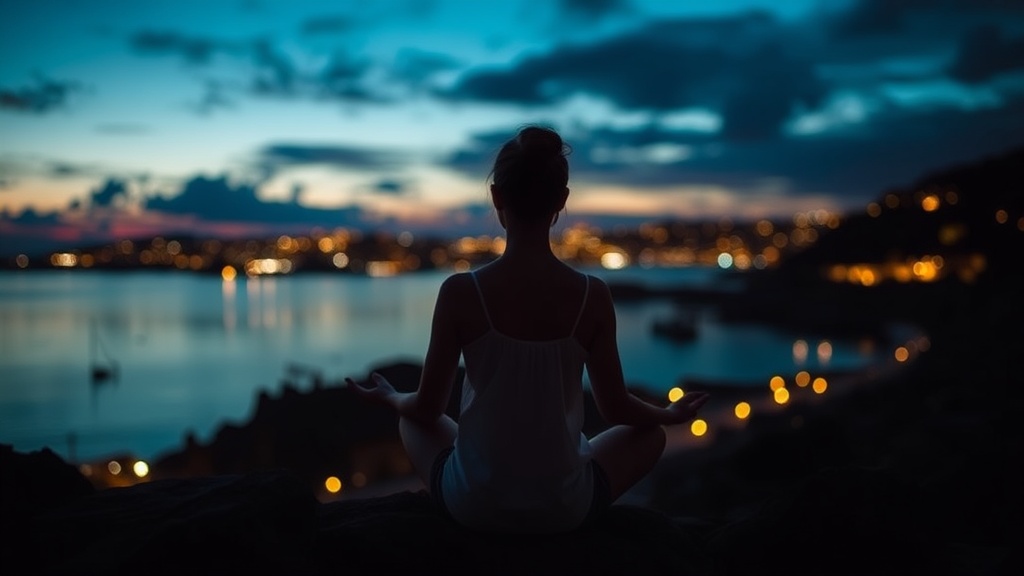
The most persistent myth about meditation? That it requires a cushion, a quiet room, and a chunk of your morning you don't actually have. We've all seen the images—someone serene at sunrise, sitting cross-legged for half an hour before the world wakes up. That's lovely if it works for you. But for most of us, that version of practice feels impossible—and so we abandon meditation entirely. That's a mistake. The truth is simpler: meditation doesn't demand time you don't have. It asks for attention you already possess. Micro-meditations—brief moments of intentional awareness scattered through your day—can build the same neural pathways as longer sessions. Research from Harvard Medical School shows that even short bursts of mindfulness practice reduce cortisol levels and improve focus. You don't need to escape your life to meditate. You need to bring awareness into the life you're already living.
Think of it this way: formal meditation is like going to the gym for a dedicated workout. Micro-meditations are like taking the stairs instead of the elevator, walking to the store, carrying your own groceries—small movements that accumulate into real fitness. Your mind deserves the same distributed care. The following techniques require no special equipment, no app subscriptions, and no schedule changes. They slip into the cracks of your existing routine. That's the point. Meditation isn't an escape from reality—it's a way of engaging with it more fully.
What Counts as a Micro-Meditation?
A micro-meditation is any deliberate shift into present-moment awareness that lasts between three breaths and two minutes. It's not about emptying your mind—that's not how brains work anyway. It's about redirecting your attention to something happening right now: the feeling of your feet in shoes, the sound of traffic outside, the temperature of the air on your skin. These moments interrupt the autopilot mode that consumes most of our days. You know that state—when you drive home without remembering the trip, or finish a meal without tasting it, or spend an entire conversation planning what you'll say next. Autopilot isn't bad; it's efficient. But living there exclusively means missing your actual life.
The mechanics are straightforward. You pick an anchor—breath, sensation, sound—and rest your attention there. When your mind wanders (it will), you notice that wandering and return to the anchor. That's it. The return is the practice. Not staying focused—nobody does that consistently—but noticing you've left and choosing to come back. Each return strengthens the mental muscle of attention. Do this five times a day for thirty seconds, and you've accumulated more mindful awareness than most people manage in a week. The Mayo Clinic recognizes these brief practices as effective tools for managing anxiety and improving emotional regulation.
How Do I Practice Without a Quiet Space?
You practice in the spaces you already inhabit. The three-breath reset works anywhere—sitting in traffic, waiting for a file to download, standing in line at the grocery store. Here's how: exhale completely, then take three slow breaths. Count them. Feel the air move in and out. That's the whole technique. It takes roughly twenty seconds. Do it before checking your email, before entering a meeting, before responding to a frustrating text. The breath becomes a punctuation mark in your day—a brief pause between one state and the next.
The doorway technique uses transitions as triggers. Every time you walk through a door—entering your office, moving from kitchen to living room, getting into your car—pause for one breath and notice where you are. Feel your feet on the floor. Notice three things you can see. This interrupts the momentum that carries us blindly from one activity to the next. Doorways are natural boundaries; use them. Another approach: the sensory check-in. Set an irregular alarm (three to five random times daily) or attach the practice to existing habits—finishing a cup of coffee, hanging up a phone call, closing your laptop. When the trigger happens, spend thirty seconds scanning your body. Where are you holding tension? What's the texture of the surface beneath you? What sounds are present? Don't judge or fix anything. Just notice.
For those who struggle with silent practice, try external anchors. Listen to the ambient sounds in your environment—noticing their qualities, their distances, their patterns. Feel the weight of your body in your chair. Run your thumb across your fingertips, attending to the texture of skin against skin. These sensory inputs give your mind something concrete to rest on. They ground you in physical reality when mental noise becomes overwhelming. Mindful.org offers additional guidance on adapting these practices to different environments and preferences.
Does Brief Practice Actually Work?
The research says yes—and the mechanism makes sense. Your nervous system doesn't distinguish between thirty seconds of deliberate breathing and thirty minutes. It responds to the quality of attention, not the quantity of time. Short, frequent practices train your brain to recognize states of activation (stress, anxiety, rumination) and shift them more quickly. It's like installing a faster recovery program. Instead of staying agitated for an hour after a frustrating meeting, you might return to baseline in ten minutes. That compounds over time.
Neuroplasticity—the brain's ability to reorganize itself—responds to repetition, not duration. A thousand thirty-second practices create stronger neural pathways than ten sessions of five minutes each. Frequency matters more than length. Think of learning an instrument: fifteen minutes daily beats two hours once a week. The same principle applies here. Your brain builds the habit of awareness through repeated returns to presence, not through occasional deep dives. Studies using fMRI scans show that consistent short-term practitioners develop increased gray matter density in the prefrontal cortex—the region associated with decision-making and emotional regulation—comparable to those who practice longer sessions less frequently.
The psychological benefits emerge quickly too. People who practice micro-meditations report feeling more "in control" of their attention and less carried away by anxious thoughts. That's because they're actively training the skill of redirection. Every time you notice your mind has wandered and bring it back, you're proving to yourself that you're not trapped in any particular mental state. You can shift it. That sense of agency extends beyond meditation into everyday challenges. You realize that frustration, worry, and irritation are states that pass—if you don't feed them with continued attention.
How Can I Remember to Do This?
Intention without structure rarely survives contact with real life. You need reliable triggers—events that already happen consistently in your day. Morning coffee is reliable. Commuting is reliable. Bathroom breaks are reliable (and private). Pick three existing habits and attach a micro-meditation to each. After pouring coffee, take three breaths before drinking. After sitting in your car, feel your hands on the steering wheel for ten seconds before starting the engine. After closing your laptop at day's end, look out a window and notice the quality of light. These pairings create automaticity. The existing habit becomes the reminder.
Start small. One micro-meditation daily for a week. Add a second the following week. By week three, you'll have three brief practices embedded in your routine—total daily investment: about ninety seconds. That's not overwhelming; that's sustainable. Track it loosely if it helps—a checkmark in a notebook, a note app, nothing elaborate. The goal isn't perfection; it's presence. Miss a day? Fine. The practice will be there tomorrow. What you're building isn't a streak—it's a relationship with your own attention. Relationships survive gaps. They don't survive pressure to be perfect.
Notice resistance when it arises. "I don't have time" usually means "I don't prioritize this." Fair—but these take less time than scrolling one social media post. "I keep forgetting" means you need better triggers, not more willpower. "It feels pointless" means you're expecting immediate fireworks. Micro-meditations are subtle. Their effects accumulate slowly, like water wearing stone. Trust the process before you feel the results. That's the discipline—and the reward.
"The present moment is filled with joy and happiness. If you are attentive, you will see it." — Thich Nhat Hanh
The beauty of micro-meditation is its democratic nature. You don't need a teacher, a studio membership, or a lifestyle overhaul. You need three breaths and a willingness to be where you actually are. Start today—not tomorrow morning with grand resolutions, but right now with the next thirty seconds. Feel your feet. Notice your breathing. Return to the room you're in. Then carry that brief moment of presence forward into whatever comes next. That's the practice. That's enough.