How to Practice Mindful Tea Drinking as a Moving Meditation

Have you ever finished a cup of tea without really tasting it? Most of us drink our morning brew on autopilot—scrolling, rushing, barely registering the warmth in our hands. But what if that same cup could become a complete meditation practice? Mindful tea drinking (sometimes called "tea meditation" or "chanoyu" in Japanese tradition) transforms an ordinary ritual into a powerful anchor for presence—and you don't need a meditation cushion or extra time in your schedule.
Why Does Tea Work So Well as a Meditation Anchor?
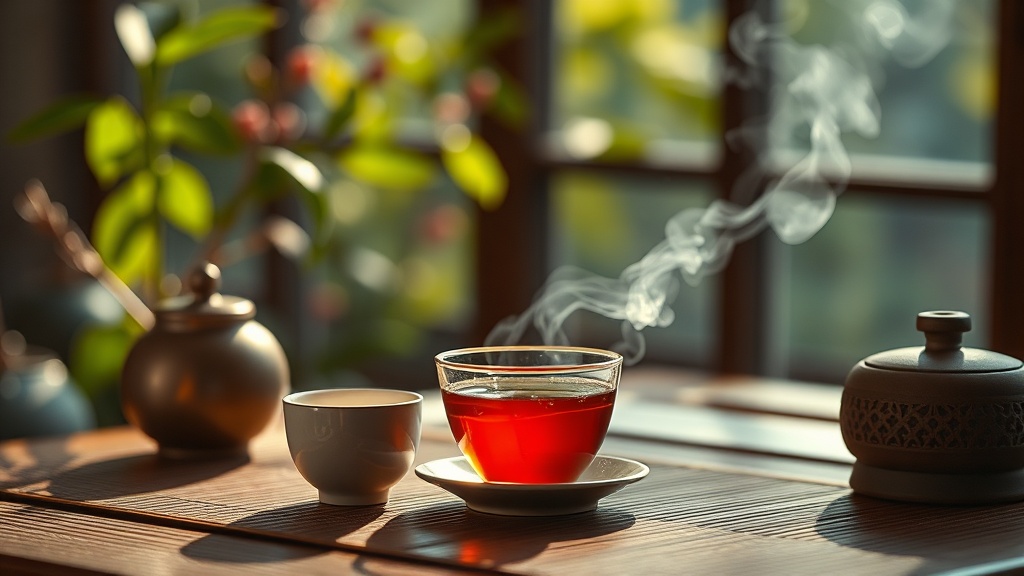
Tea naturally engages all five senses, which makes it an ideal focal point for mindfulness. The steam rising (sight), the ceramic against your palms (touch), the aroma releasing as water hits leaves (smell), the first complex sip (taste), and even the gentle clink of cup against saucer (sound) create a complete sensory experience. Unlike sitting meditation—which can feel abstract or frustrating for beginners—tea gives your attention something concrete to rest on.
Research from the National Institutes of Health suggests that rituals involving warm beverages activate the parasympathetic nervous system, triggering what scientists call the "relaxation response." Your heart rate slows. Muscle tension releases. The mind settles. And unlike guided meditations that require apps or headphones, tea meditation uses ingredients you probably already own.
There's also something deeply human about the practice. Humans have prepared and shared tea for thousands of years across virtually every culture. The Chinese developed intricate gongfu ceremonies. Japanese Zen monks refined chanoyu into spiritual practice. Moroccan mint tea service follows strict protocols of hospitality. When you drink tea mindfully, you're participating in something ancient—connecting with countless others who've sought calm in the same simple gesture.
What Do You Actually Need to Get Started?
The beautiful thing? Almost nothing. Fancy equipment can enhance the experience, but it's absolutely not required. At minimum, you need: tea (loose leaf or bagged), hot water, a cup, and about ten uninterrupted minutes. That's it.
If you want to deepen the practice, consider investing in a small teapot or gaiwan (a lidded Chinese brewing vessel). Loose leaf tea generally offers more complexity than bagged varieties—oolongs, white teas, and quality green teas develop multiple flavor layers as they steep. But don't let perfect become the enemy of good. Earl Grey in a chipped mug works perfectly fine when your intention is present.
Environment matters more than equipment. Choose a spot where you won't be interrupted—away from laptops, phones, and other people if possible. Some practitioners create a small "tea corner" with a candle, a simple cloth, or a single flower. Others prefer drinking outdoors, letting bird sounds become part of the meditation. Experiment. Notice where your body relaxes most easily.
The Basic Sequence
- Prepare with intention. As water heats, stand still and notice the sounds—the kettle's hum, distant traffic, your own breathing. This isn't wasted time; it's the meditation beginning.
- Engage your senses. Examine the dry leaves. Smell them. Notice colors, shapes, textures. When water's ready, pour slowly, watching the leaves dance and unfurl.
- Wait without distraction. Most teas need 2-4 minutes to steep. Resist the urge to check your phone. Instead, feel the warmth radiating from the vessel. Observe the steam patterns. Let impatience arise and pass—this is practice.
- Drink in three sips. Traditional tea ceremony teaches that three sips finish a bowl: one large, one moderate, one to empty it completely. Between sips, pause. Notice temperature changes, sweetness emerging, astringency building at the back of your tongue.
- Close with gratitude. Acknowledge the hands that cultivated, processed, and prepared this tea. Acknowledge yourself for showing up. The practice is complete.
How Do You Handle a Wandering Mind During Tea Meditation?
Your mind will wander. You'll start planning dinner or rehearsing a conversation or suddenly remember an email you forgot to send. This isn't failure—it's the practice working. Every time you notice distraction and gently return attention to the tea, you're strengthening the same neural pathways that make all meditation effective.
Try this: when you catch yourself planning or worrying, silently name what's happening. "Planning." "Remembering." "Fantasizing." Then—this is key—redirect to a specific sensory detail. The warmth on your fingertips. The particular quality of this tea's aroma. The sound of swallowing. The mind doesn't wander because you're bad at meditation; it wanders because that's what minds do. Your job isn't to stop it but to keep patiently returning.
For especially restless days, add a simple counting practice. Three breaths before lifting the cup. Three sips minimum before setting it down. These micro-anchors give the mind just enough structure to settle without feeling constrained. And if you finish the cup and realize you were lost in thought the entire time? Pour another. Begin again. Every moment is a fresh start.
Can You Practice Mindful Tea Drinking at Work?
Absolutely—though it requires adaptation. The full ceremony might not fit between meetings, but modified versions work anywhere. The key is protecting even five minutes from interruption. Close your laptop. Put your phone in a drawer. If you have an office door, close it. If not, noise-canceling headphones (even without music) signal "do not disturb" to colleagues.
Use whatever tea setup your workplace allows. A tea bag in a ceramic mug beats the fanciest gongfu set if you're actually paying attention. The practice isn't about aesthetics—it's about presence. That said, keeping a small personal cup at your desk helps. Ritual objects signal transition; when you reach for that cup, your nervous system begins preparing for something different than ordinary consumption.
Some practitioners develop "transition rituals"—drinking tea mindfully between work tasks to clear mental residue. Finished a difficult email? Three mindful sips before opening the next. Ending a video call? Steep a new cup before beginning documentation. These micro-boundaries prevent the day from blurring into exhausting sameness.
How Does This Practice Deepen Over Time?
Like any meditation, tea practice reveals more as you continue. Beginners often focus on the mechanics—remembering to slow down, noticing when the mind wanders. With repetition, subtle experiences emerge. You'll start detecting flavor notes you missed before: the honeyed undertone in a Darjeeling, the marine quality of Japanese sencha, the roasted depth of darker oolongs.
This sensory refinement parallels internal changes. Many practitioners report increased patience—not just with tea but with traffic, with difficult conversations, with their own imperfections. The waiting (water heating, leaves steeping) teaches that good things require pauses. The temperature shifts (too hot, just right, cooling) mirror impermanence. Every cup ends. Every moment passes.
There's also deepening appreciation for the interconnectedness this practice reveals. Your tea connects to rainfall patterns, soil chemistry, farmers' hands, centuries of cultural transmission. Mindfulness researchers at mindful.org note that practices engaging multiple senses simultaneously often accelerate the shift from autopilot to presence. Tea does this naturally.
Some advanced practitioners extend their sessions to thirty or forty minutes, brewing the same leaves through multiple infusions. Quality oolongs and pu-erh teas evolve dramatically across steepings—changing from floral to mineral to honeyed over six or eight rounds. This "tea path" becomes a meditation on transformation itself. Nothing stays the same. Each infusion is new, yet connected to what came before.
Whether you practice daily or weekly, alone or with others, the core remains consistent: this simple act—water, leaves, cup, attention—offers a doorway into presence that requires no special skills, no religious affiliation, and no equipment beyond what you likely already possess. The tea is waiting. The only question is whether you'll meet it there.